








How to Choose the Right Bed Frame (Complete Buying Guide)
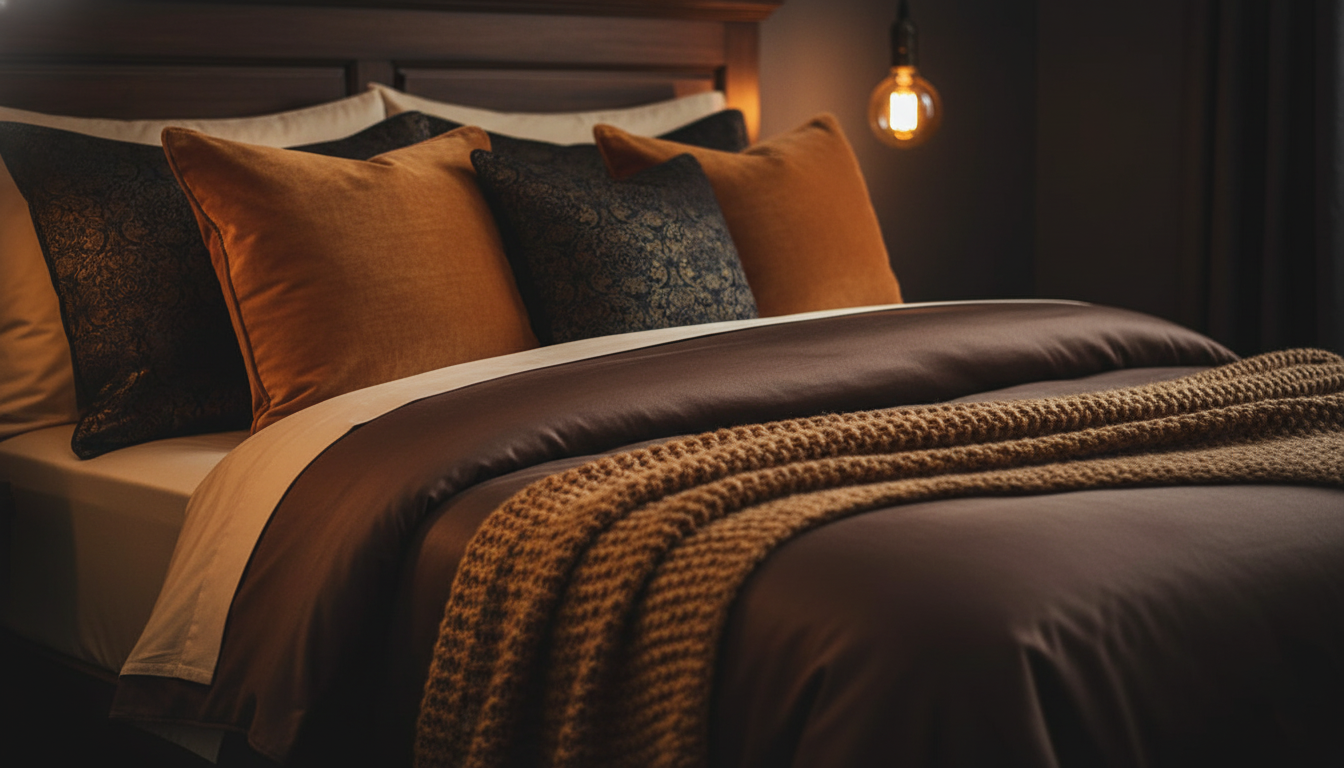
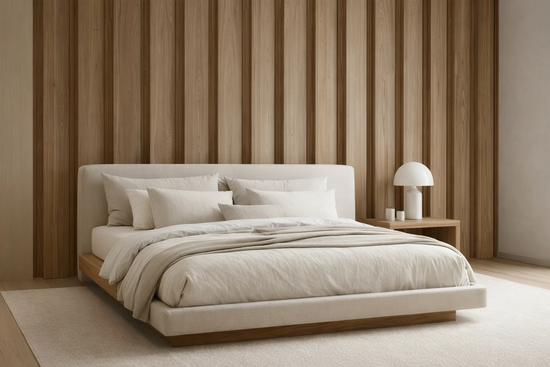
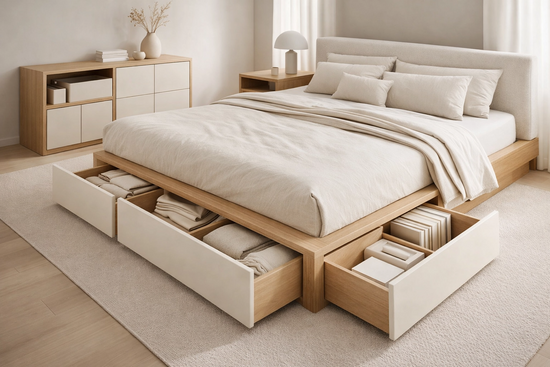
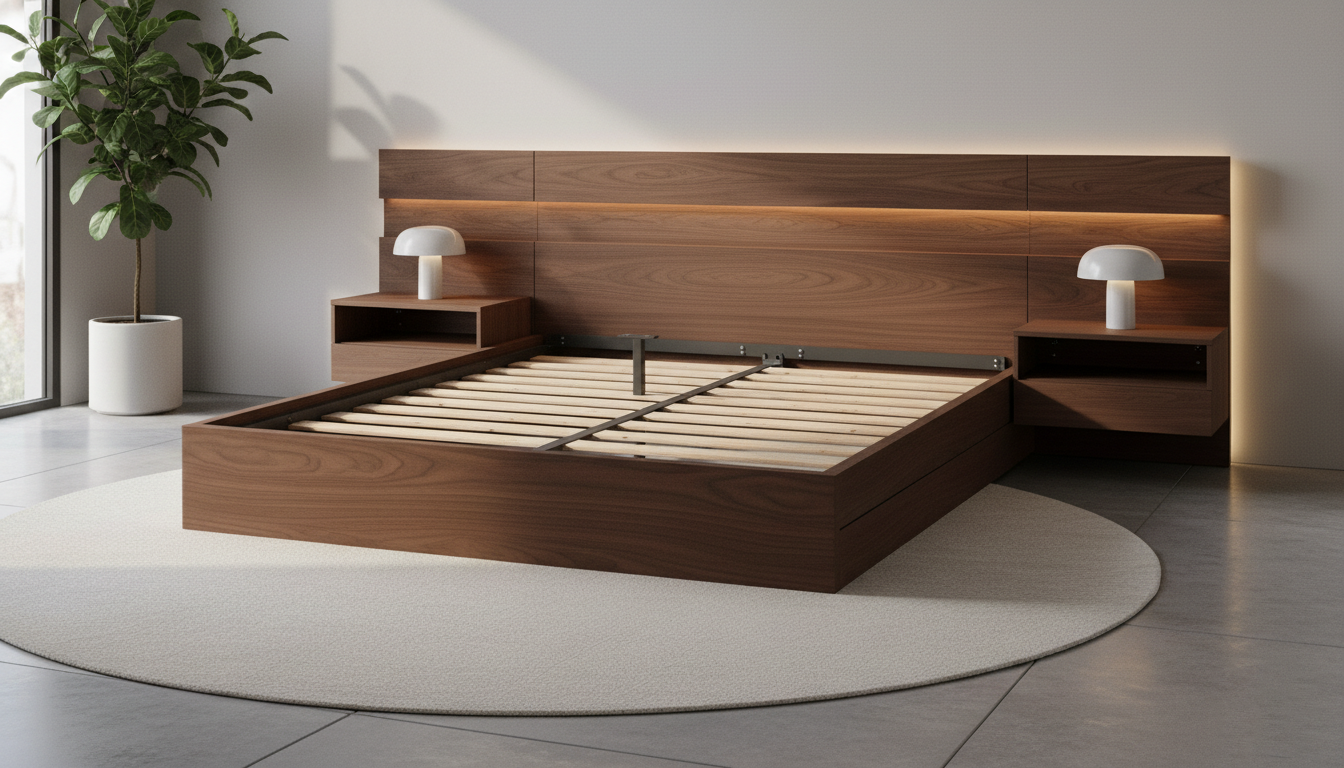
Choosing the right bed frame is essential for both comfort and style. It not only supports your mattress but also defines the look and feel of your bedroom. With so many options available, finding the perfect bed frame can feel overwhelming. This guide will help you make the right decision based on your space, needs, and budget. 1. Start with the Right Size The first step is choosing the correct bed frame size. Common US sizes: Twin (38” x 75”) – Best for kids or small rooms Full (54” x 75”) – Ideal for single sleepers Queen (60” x 80”) – Most popular for couples King (76” x 80”) – Great for large bedrooms California King (72” x 84”) – Extra length for taller users Tip:Make sure your bed frame matches your mattress size exactly. 2. Consider Your Room Size Your bed should fit comfortably in your room without making it feel cramped. Layout tips: Leave at least 24 inches of walking space around the bed Avoid oversized frames in small bedrooms Choose low-profile frames for a more open feel 3. Choose the Right Bed Frame Type Different bed frame types offer different benefits. Platform Beds No box spring required Clean, modern look Ideal for minimalist spaces Storage Beds Built-in drawers or compartments Perfect for small apartments Helps reduce clutter Upholstered Beds Soft fabric or leather finish Comfortable headboard Adds a cozy, luxurious feel Metal Bed Frames Durable and affordable Lightweight and easy to move Works well in modern or industrial styles 4. Pick the Right Material The material affects durability, appearance, and price. Popular options: Solid wood – Strong and long-lasting Engineered wood – Budget-friendly Metal – Durable and lightweight Upholstered fabric – Soft and stylish 5. Think About Storage Needs If you’re short on space, a storage bed frame is a smart choice. Options include: Under-bed drawers Lift-up storage compartments This is especially useful for apartments or smaller homes. 6. Match Your Style Your bed frame should match your bedroom design. Popular styles in US homes: Modern (simple lines, neutral colors) Minimalist (low-profile, clutter-free) Farmhouse (wood textures, warm tones) Luxury (upholstered, tufted headboards) 7. Check Height and Comfort Bed height affects how comfortable it is to get in and out of bed. Low beds → modern look, but less storage High beds → easier access + storage space Choose what fits your lifestyle. 8. Set Your Budget Bed frames come in a wide price range. Budget: $100–$400 Mid-range: $400–$1,000 Premium: $1,000+ Investing in a good frame can improve sleep quality and durability. Final Thoughts The right bed frame should fit your space, match your style, and support your daily comfort. Take your time, measure carefully, and choose a design that works for your lifestyle. A good bed frame is an investment you’ll appreciate every day. FAQs Do I need a box spring with a bed frame? Not always—platform beds typically don’t require one. What is the most durable bed frame material? Solid wood and metal are the most durable options. What is the best bed frame for small rooms? Storage beds or low-profile platform beds are ideal. Looking for the perfect bed frame? Explore our collection and find the right fit for your bedroom today.
Custom Furniture: The Complete Guide to Designing Pieces That Fit Your Home
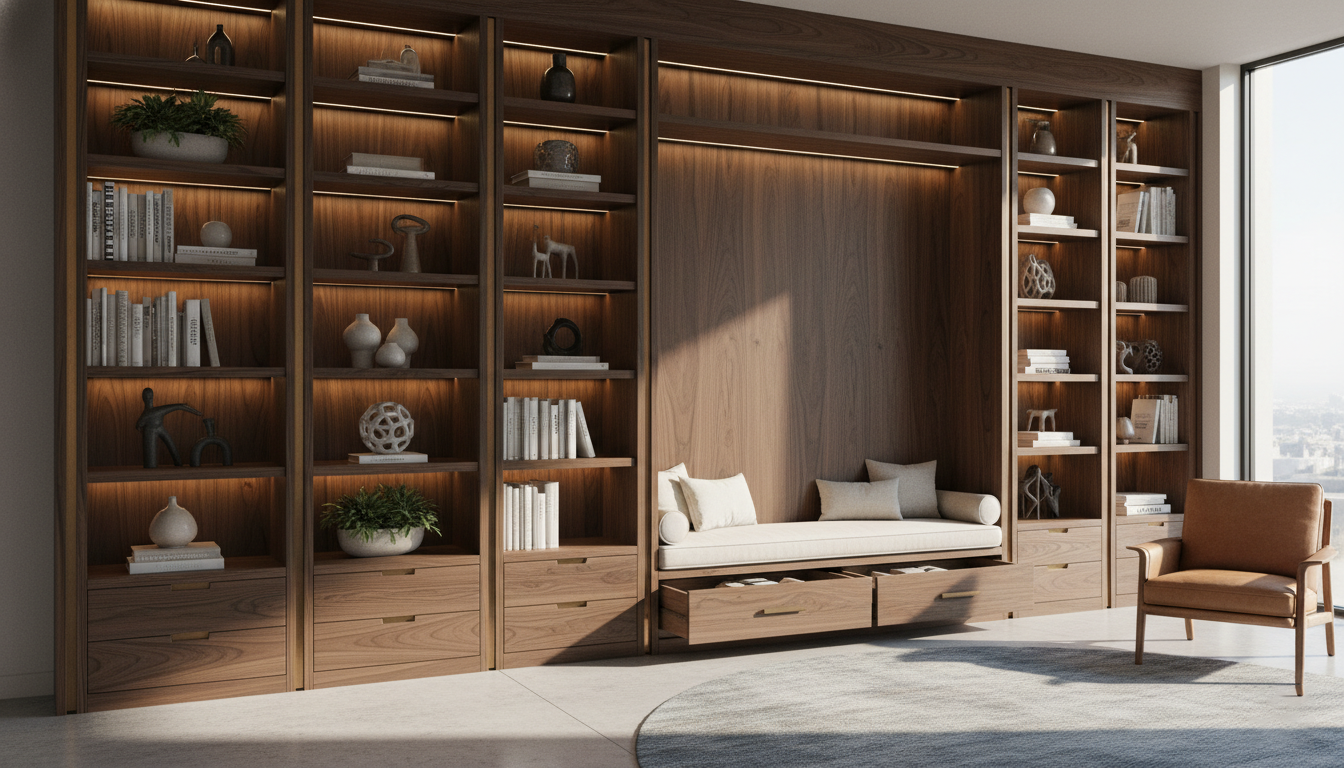
Finding furniture that perfectly fits your space isn’t always easy. Standard sizes don’t work for every home—especially in apartments, unique layouts, or modern interiors. That’s where custom furniture comes in. In this guide, we’ll walk you through everything you need to know about custom furniture, from benefits and design ideas to cost and how to get started. What Is Custom Furniture? Custom furniture is made specifically for your space, style, and needs. Instead of choosing from pre-made options, you can customize: Size and dimensions Materials and finishes Colors and fabrics Functionality and storage This allows you to create furniture that truly fits your home. Why Choose Custom Furniture? 1. Perfect Fit for Your Space Custom furniture is ideal for: Small apartments Irregular layouts Open-plan living spaces No wasted space, no awkward gaps. 2. Personalized Design You get full control over how your furniture looks and feels. Whether you prefer modern, minimalist, or classic styles, custom pieces help bring your vision to life. 3. Better Functionality Need extra storage? A multi-purpose piece? Custom furniture can be designed to: Maximize storage Save space Serve multiple functions 4. Long-Term Value While custom furniture can cost more upfront, it often lasts longer and fits better—making it a smart long-term investment. Popular Custom Furniture Ideas Here are some of the most popular custom furniture options in modern homes: Custom Sofas Designed to fit your living room perfectly—especially useful for small or uniquely shaped spaces. Built-In Storage Cabinets Perfect for maximizing wall space in living rooms or bedrooms. Custom Wardrobes Tailored to your storage needs, ideal for maximizing closet space. Multi-Functional Furniture Examples include: Storage beds Foldable desks Modular furniture systems How to Design Custom Furniture (Step-by-Step) Step 1: Measure Your Space Accurate measurements are essential. Consider: Room dimensions Doorways and pathways Existing furniture Step 2: Define Your Needs Ask yourself: What problem am I solving? Do I need storage, seating, or both? How often will I use this piece? Step 3: Choose Materials Common options include: Solid wood (durable and premium) Engineered wood (budget-friendly) Metal and glass (modern look) Step 4: Select Style & Color Match your existing interior: Neutral tones for versatility Bold colors for statement pieces Step 5: Work with a Supplier or Brand Choose a reliable furniture supplier that offers: Customization options Clear timelines Quality materials How Much Does Custom Furniture Cost? Prices vary depending on materials, size, and complexity. General range: Small custom items: $200–$800 Medium pieces (tables, cabinets): $800–$2,000 Large items (sofas, wardrobes): $1,500+ Is Custom Furniture Worth It? Custom furniture is worth it if: You have limited or unique space You want a specific design You value long-term quality For many homeowners, the benefits outweigh the higher upfront cost. Final Thoughts Custom furniture allows you to create a home that truly fits your lifestyle. Instead of adjusting your space to fit furniture, you design furniture to fit your space. FAQs How long does custom furniture take? Typically 2–8 weeks, depending on complexity. Is custom furniture more expensive? Yes, but it offers better fit and long-term value. Can I customize furniture for small apartments? Absolutely—custom furniture is one of the best solutions for small spaces. Looking for custom furniture solutions? Explore our collection or contact us to create pieces tailored to your home.
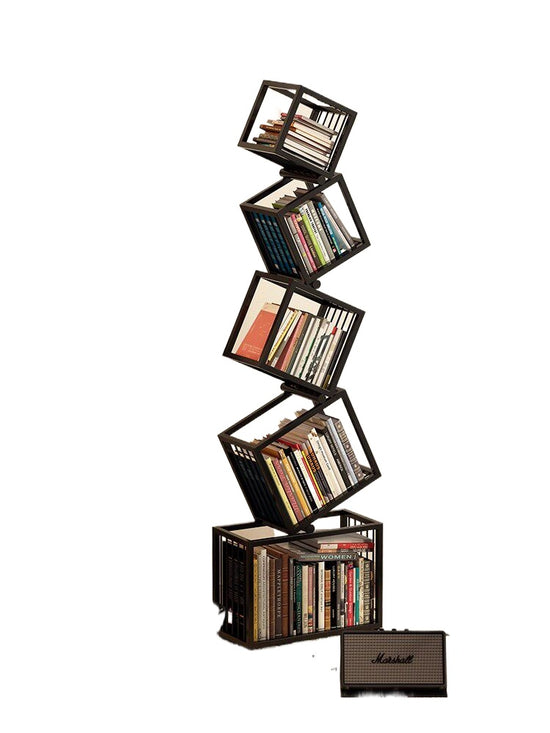
Modern Living Room Setup Guide (2026 Trends)
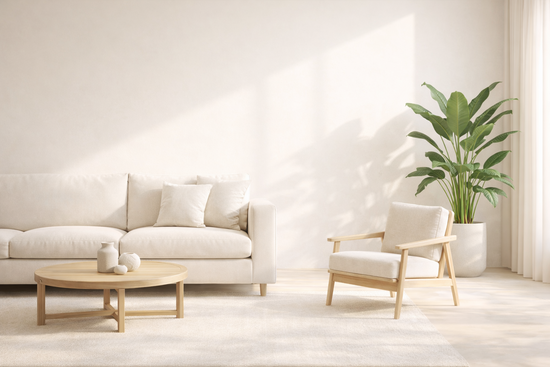
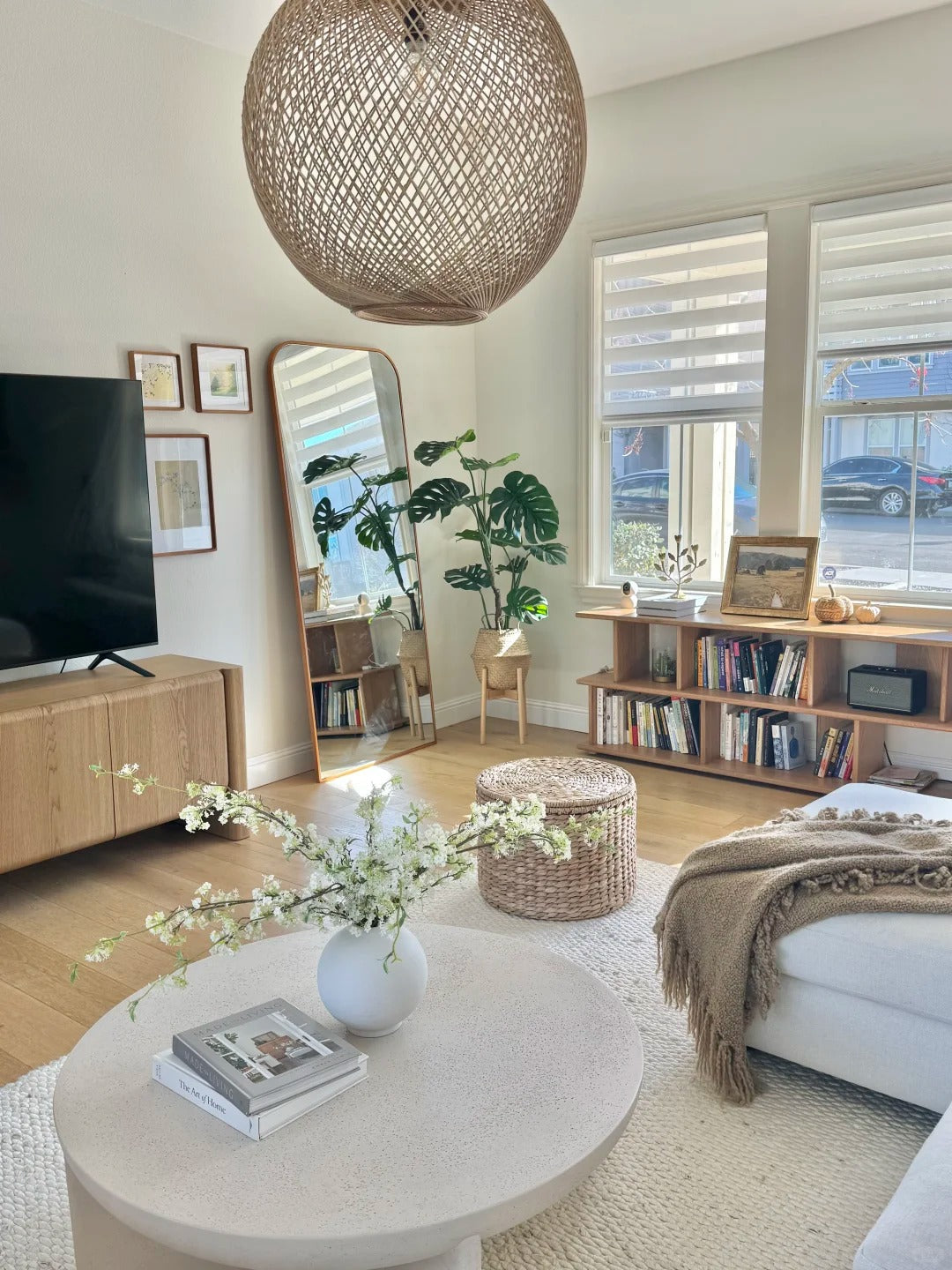
Modern Living Room Setup Guide (2026 Trends & Ideas) Creating a modern living room in 2026 is all about simplicity, functionality, and comfort. Whether you’re designing a new space or upgrading your current setup, the right furniture and layout can make a huge difference. In this guide, we’ll walk you through the latest modern living room trends and how to set up a space that looks stylish and works for everyday life. What Defines a Modern Living Room in 2026? Modern living rooms today focus on: Clean lines and uncluttered layouts Multi-functional furniture Neutral color palettes with subtle accents Comfortable, livable design (not just aesthetics) The goal is to create a space that feels open, practical, and inviting. 1. Choose a Neutral Base (Then Add Personality) Start with a neutral foundation: White Beige Gray Soft earth tones These colors make your space feel larger and more cohesive. Then add personality through: Throw pillows Rugs Wall art Accent chairs 2. Invest in a Statement Sofa Your sofa is the centerpiece of your living room. In 2026, trending styles include: Curved sofas Low-profile designs Modular sectionals Tip:Choose a sofa that fits your space—not just your style. For smaller rooms, go for slim arms and raised legs to create a lighter visual feel. 3. Use Multi-Functional Furniture Modern homes—especially apartments—require flexibility. Top picks: Lift-top coffee tables (work + storage) Sofa beds (sleep + seating) Storage ottomans These pieces help you maximize space without cluttering your room. 4. Go Vertical with Storage Instead of bulky cabinets, use vertical space. Ideas: Floating shelves Wall-mounted TV units Tall, slim bookcases This keeps your floor area open and makes the room feel bigger. 5. Keep the Layout Open and Functional Avoid overcrowding your living room. Layout tips: Leave enough walking space (at least 24 inches) Center your furniture around a focal point (TV or coffee table) Use rugs to define zones 6. Lighting Matters More Than You Think Lighting can completely change the mood of your space. Use a mix of: Floor lamps Table lamps Soft ambient lighting Warm lighting works best for a cozy, modern feel. 7. Add Texture for Depth Modern design isn’t just about minimalism—it’s about balance. Mix materials like: Wood Metal Fabric Glass This adds depth and prevents your space from feeling flat or boring. 8. Bring Nature Indoors Natural elements are a major trend in 2026. Try: Indoor plants Wooden furniture Natural fabrics Even a small plant can make your living room feel more alive. 9. Keep Decor Simple (Less is More) Avoid over-decorating. Stick to a few key pieces: One large artwork A statement rug Minimal accessories This keeps your space clean and modern. 10. Design for Your Lifestyle Trends are helpful—but your lifestyle matters more. Ask yourself: Do you entertain guests often? Do you need extra storage? Do you work from your living room? Your setup should reflect how you actually live. Final Thoughts A modern living room in 2026 is not about following strict rules—it’s about creating a space that works for you. Focus on comfort, functionality, and clean design. With the right setup, even a small living room can feel stylish and spacious FAQs What is the biggest living room trend in 2026? Multi-functional furniture and minimalist layouts are leading trends. How do I make my living room look modern? Use neutral colors, simple furniture, and keep the layout uncluttered. What furniture is essential for a modern living room? A comfortable sofa, a functional coffee table, proper lighting, and smart storage solutions. Looking to upgrade your space? Explore our modern living room furniture collection and create your perfect setup today.
How to Choose the Perfect Sofa for Your Living Room
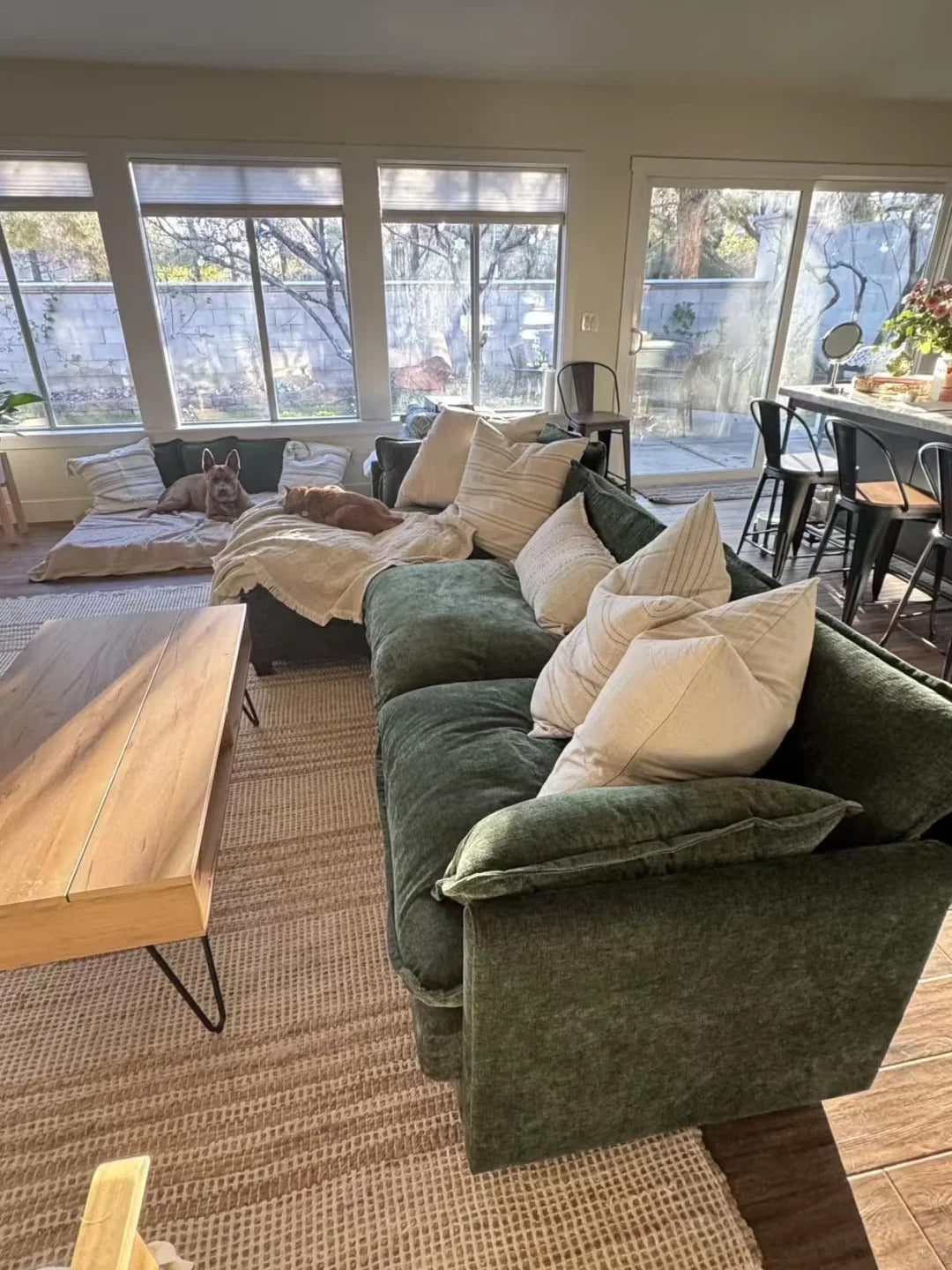
Choosing the perfect sofa for your living room can feel overwhelming. With so many styles, sizes, and materials available, it’s easy to make the wrong decision. The truth is, the right sofa should fit your space, match your lifestyle, and provide long-term comfort. In this guide, we’ll walk you through exactly how to choose a sofa that works for your home. 1. Start with Your Space (Size Matters Most) Before you even look at styles, measure your space. A sofa that’s too large can make your living room feel cramped, while one that’s too small may look out of place. Quick tips: Leave 18–24 inches between your sofa and coffee tableMake sure there’s enough walking space around itFor small apartments, choose compact or slim-arm sofas 2. Choose the Right Sofa Type Different sofa types serve different needs. Popular options include: Sectional Sofas – Great for families or large spacesLoveseats – Ideal for small living rooms or apartmentsSleeper Sofas – Perfect for guests or multi-use spacesRecliner Sofas – Best for comfort and relaxation 3. Pick a Style That Matches Your Home Your sofa should complement your overall interior style. Popular styles in US homes: Modern (clean lines, neutral tones)Minimalist (simple and space-saving)Mid-century (wood legs, retro feel)Contemporary (soft curves, trendy shapes) 4. Consider Sofa Materials Carefully Material affects both comfort and durability. Fabric SofasSoft and cozyWide variety of colorsGreat for everyday useLeather SofasDurable and easy to cleanPremium lookIdeal for modern spaces Tip: If you have pets or kids, choose stain-resistant fabrics. 5. Don’t Ignore Comfort A sofa may look great, but comfort is what matters most. Check: Seat depth (deeper = more relaxed seating)Cushion firmnessBack support If possible, choose a balance between soft and supportive. 6. Think About Functionality In modern homes—especially apartments—functionality is key. Look for: Storage sofasSofa bedsModular designs These options help you maximize your space without adding extra furniture. 7. Choose the Right Color Color impacts the entire look of your living room. Safe choices: GrayBeigeWhite These are versatile and timeless. Want a statement piece?Go for bold colors like navy, green, or terracotta. 8. Set a Realistic Budget A good sofa is an investment. Budget sofas: $300–$800Mid-range: $800–$1,500Premium: $1,500+ Spending a bit more upfront often means better durability and comfort. Final Thoughts Choosing the perfect sofa doesn’t have to be complicated. Focus on your space, your lifestyle, and your comfort needs. When all three align, you’ll find a sofa that not only looks great—but also feels right for years to come. FAQsWhat size sofa is best for a small living room? A loveseat or compact 3-seater works best. How long should a sofa last? A quality sofa can last 7–15 years. What is the most durable sofa material? Leather and high-quality performance fabrics are the most durable options. Ready to upgrade your living room? Explore our sofa collection and find the perfect fit for your space today.
10 Small Living Room Furniture Ideas for Apartments (US Guide 2026)
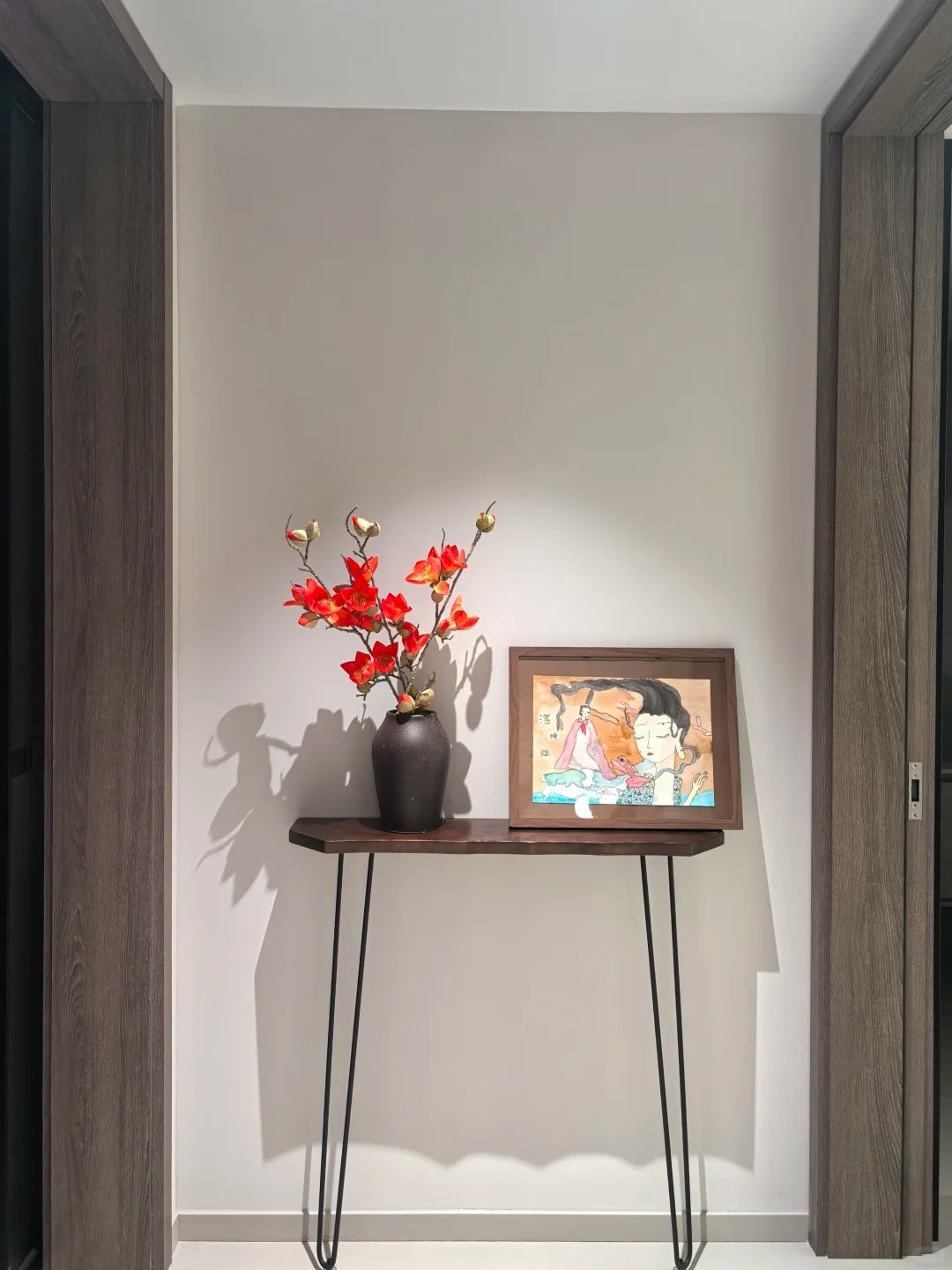
Living in a small apartment doesn’t mean you have to sacrifice comfort or style. Whether you're in a New York studio, a Los Angeles apartment, or a compact suburban home, the right furniture can completely transform your space. In this guide, we’ll show you 10 smart, space-saving living room furniture ideas that are practical, stylish, and perfect for small homes in the US. 1. Convertible Sofa Bed (A Must-Have for Small Spaces) If you only invest in one piece, make it a sleeper sofa. A convertible sofa bed gives you both a comfortable seating area and a guest bed without taking up extra space. It’s especially useful if you live in a studio or frequently host visitors. What to look for: Slim arms to save space Easy pull-out mechanism Neutral colors for flexibility 2. Narrow Console Table (More Than Just Decor) A slim console table can do a lot more than you think. Place it behind your sofa or against a wall—it can double as a TV stand, workspace, or even a mini dining surface. Why it works: Takes up minimal floor space Adds function without clutter Perfect for tight layouts 3. Lift-Top Coffee Table (Hidden Storage + Function) This is one of the most practical pieces for small living rooms. A lift-top coffee table allows you to: Work on your laptop Eat comfortably Store everyday items out of sight It’s a simple upgrade that adds serious functionality. 4. Wall-Mounted Floating Shelves (Save Floor Space Instantly) When floor space is limited, go vertical. Floating shelves help you organize books, decor, and electronics without bulky furniture taking over your room. Pro tip:Install shelves above your TV or sofa to maximize unused wall space. 5. Nesting Tables (Flexible & Space-Smart) Instead of one bulky table, go for a set of nesting tables. You can spread them out when needed or tuck them away to free up space. This flexibility makes them ideal for small apartments. 6. Compact Sectional Sofa (Use Every Corner) Corners are often wasted space—but they don’t have to be. A small L-shaped sectional fits neatly into a corner and provides more seating than a traditional sofa without overcrowding the room. 7. Storage Ottoman (Small Piece, Big Impact) A storage ottoman is one of the most underrated furniture pieces. It can function as: A footrest Extra seating A coffee table Hidden storage Perfect for keeping your living room clean and clutter-free. 8. Wall-Mounted TV Console (Clean & Modern Look) Bulky TV stands can make a small room feel even tighter. A floating TV console frees up floor space and gives your living room a clean, modern feel. 9. Slim Accent Chair (Extra Seating Without Bulk) Need extra seating but don’t have space? Choose a slim-profile accent chair with narrow arms and a lightweight frame. It won’t block pathways or make your room feel crowded. 10. Foldable or Drop-Leaf Table (Living + Dining Combo) In small apartments, your living room often doubles as a dining area. A foldable or drop-leaf table can be expanded when needed and folded away when not in use—perfect for maximizing flexibility. Final Thoughts Designing a small living room is all about making smart choices. Focus on furniture that is: Multi-functional Space-saving Scaled to your room With the right pieces, even the smallest space can feel open, comfortable, and stylish. FAQs What furniture is best for small living rooms? Multi-functional furniture like sleeper sofas, storage ottomans, and lift-top tables work best. How do you make a small living room look bigger? Use light colors, keep furniture minimal, and choose pieces with exposed legs or slim profiles. Is a sectional sofa good for small spaces? Yes—compact sectionals can actually maximize seating while using corner space efficiently. Looking for space-saving furniture? Explore our collection of small living room essentials designed for modern apartments.